melloSign in

Cooking for Longevity: The Evidence-Based Guide to Daily Meals

Nutritional science often feels complicated, but when you look at the diets proven to extend life expectancy, such as the Mediterranean diet and those found in global "Blue Zones", the principles are clear and consistent. People who live the longest, healthiest lives eat diets built on varied plant foods, healthy fats, lean proteins, and minimal ultra-processed products.

5 parts6 min read
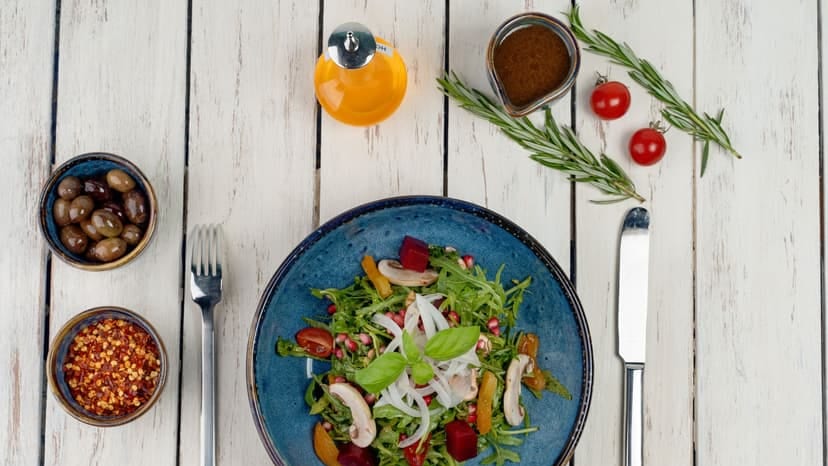
A vibrant vegetable salad with fresh ingredients, captured in an artistic flat lay.
Photograph: Denys Gromov / Pexels

However, choosing the right ingredients is only half the battle. How you cook your food directly affects its nutritional value. The wrong technique can destroy heat-sensitive vitamins or produce harmful compounds. The right technique makes nutrients easier to absorb, improves digestion, and turns simple whole foods into meals you actually look forward to eating.

Here is a comprehensive breakdown of the key cooking techniques for longevity, complete with practical instructions and the health science behind each method.
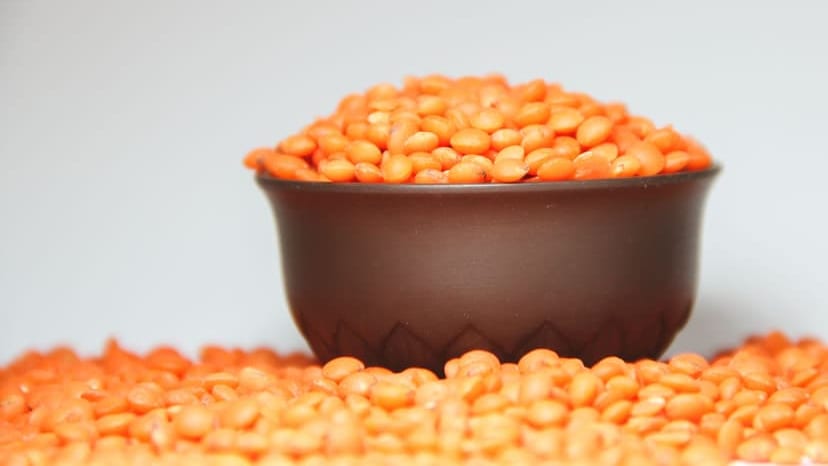
A focused image of a bowl filled with vibrant red lentils against a plain background.
Photograph: Suki Lee / Pexels

Legumes as the Base: Gentle Slow Braising

In every region of the world with exceptionally high life expectancy, beans, lentils, and chickpeas are daily staples. They provide steady energy, clean protein, and massive amounts of dietary fibre. However, many people avoid legumes because improper preparation leads to digestive discomfort.

Slow, gentle cooking breaks down complex sugars (oligosaccharides) that cause gas and bloating, making the legumes much easier on your stomach.

Better digestion

The Technique: Slow Simmering with Aromatics

You shouldn't cook dried beans at a violent, rolling boil. High heat splits the skins, leaving the outside mushy while the inside remains grainy.

  1. 1Soak first: Soak dried beans in cold water with a pinch of salt for at least 8 hours. This starts breaking down hard starches.
  2. 2Build a flavour base: Start by gently cooking diced onions, carrots, celery, and garlic in a little oil over medium heat until soft.
  3. 3Simmer gently: Add your soaked beans and cover them with water or low-sodium stock by two inches. Bring the pot to a brief boil, then immediately lower the heat to a gentle simmer (just a few lazy bubbles breaking the surface).
  4. 4Keep covered: Cover with a tight lid and let them cook slowly until completely tender to the core, usually 1 to 2 hours depending on the bean size.

The Health Benefits

  • Better digestion: Slow, gentle cooking breaks down complex sugars (oligosaccharides) that cause gas and bloating, making the legumes much easier on your stomach.
  • Gut microbiome support: Braised legumes retain their soluble fibre. This fibre feeds the beneficial bacteria in your gut, which produce short-chain fatty acids that reduce systemic inflammation and strengthen your intestinal wall.
  • Stable blood sugar: The combination of intact fibre and slow-digesting protein prevents blood sugar spikes, keeping your energy stable and protecting against metabolic disease.
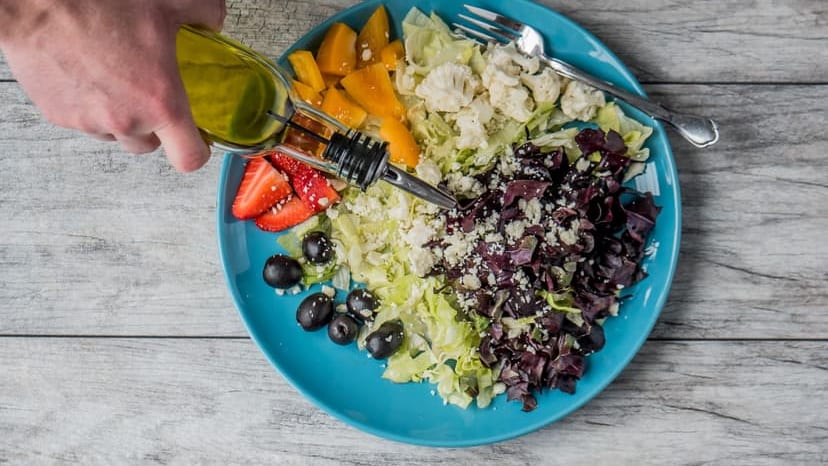
A vibrant vegetable salad with olives, feta, and strawberries being drizzled with olive oil.
Photograph: Jessica Lewis 🦋 thepaintedsquare / Pexels

Healthy Fats: Off-Heat Finishing

Diets rich in healthy fats, particularly monounsaturated fats from extra-virgin olive oil, nuts, and seeds, are strongly linked to reduced rates of heart disease and stroke. However, fats are delicate molecules that react strongly to heat.

Cold-pressed extra-virgin olive oil is packed with polyphenols (like oleocanthal), which act as natural anti-inflammatories. High heat destroys these delicate antioxidants. Drizzling the oil raw ensures you receive their full anti-inflammatory protection.

Antioxidant protection

The Technique: High-Heat vs. Low-Heat Fats

You shouldn't treat all oils the same way. Heating delicate oils past their limits degrades their flavour and creates unwanted chemical byproducts.

  1. 1Separate your oils: Use a standard, refined oil (like avocado oil or light olive oil) for cooking at medium-to-high temperatures.
  2. 2Reserve the best for the end: Keep your raw, cold-pressed extra-virgin olive oil away from high pan heat.
  3. 3Finish at the table: Use your highest-quality extra-virgin olive oil as a fresh finishing sauce. Drizzle a generous tablespoon over warm soups, roasted vegetables, grain bowls, or fresh salads right before eating.

The Health Benefits

  • Antioxidant protection: Cold-pressed extra-virgin olive oil is packed with polyphenols (like oleocanthal), which act as natural anti-inflammatories. High heat destroys these delicate antioxidants. Drizzling the oil raw ensures you receive their full anti-inflammatory protection.
  • Nutrient absorption: Fat-soluble vitamins, specifically Vitamins A, D, E, and K, cannot be absorbed by your body without fat. Drizzling raw olive oil over a plate of steamed or roasted vegetables helps your digestive tract absorb these vitamins efficiently.
  • Cardiovascular health: Unheated monounsaturated fats help maintain healthy cholesterol levels by supporting HDL (good) cholesterol while reducing LDL (bad) cholesterol oxidation.
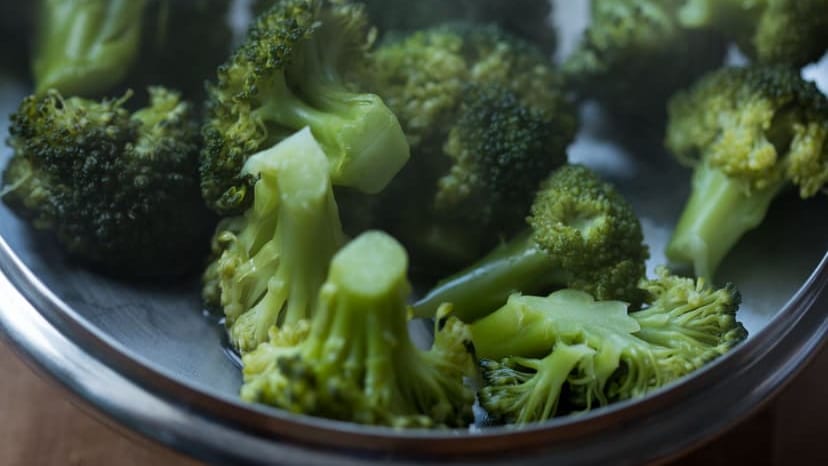
Close-up of fresh steamed broccoli, perfect for healthy meal concept.
Photograph: Mateusz Feliksik / Pexels

Vegetables: Short-Steam Moisture Control

Vegetables contain vitamins, minerals, and plant compounds (phytonutrients) that protect cells from aging. However, the standard method of boiling vegetables in a large pot of water strips away a significant portion of their health benefits.

Vitamin C and B-complex vitamins are water-soluble and heat-sensitive. Steaming keeps vegetables out of the water, preserving up to 80% more Vitamin C compared to boiling.

Preserving Vitamin C and B-Vitamins

The Technique: Steaming to Tender-Crisp

Water is a solvent. When you submerge vegetables in boiling water, water-soluble nutrients leach out of the plant cells and into the pot.

  1. 1Set up a steamer: Place a steamer basket over an inch of water in a pot with a tight-fitting lid. Bring the water to a rapid boil.
  2. 2Cut evenly: Cut vegetables like broccoli, cauliflower, or carrots into uniform pieces so they cook at the exact same rate.
  3. 3Keep it brief: Add the vegetables, cover immediately, and steam for just 3 to 5 minutes.
  4. 4Test for doneness: Remove them when they turn vibrant in colour and yield slightly to a fork, but still retain a slight snap (tender-crisp).

The Health Benefits

  • Preserving Vitamin C and B-Vitamins: Vitamin C and B-complex vitamins are water-soluble and heat-sensitive. Steaming keeps vegetables out of the water, preserving up to 80% more Vitamin C compared to boiling.
  • Activating cancer-fighting compounds: Cruciferous vegetables (broccoli, Brussels sprouts, kale) contain compounds called glucosinolates. Gentle steaming preserves the natural enzymes needed to convert these compounds into sulforaphane, a potent molecule that supports cellular detoxification.
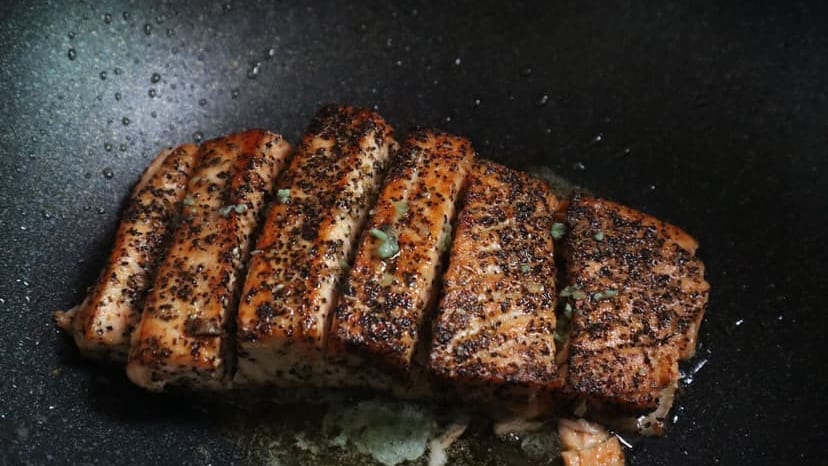
Sizzling grilled salmon steaks with herbs in a non-stick frying pan for a savory meal.
Photograph: Kevin Zamorano / Pexels

Proteins: Controlled Searing Without Charring

Diets focused on longevity emphasize lean proteins, such as fish, tofu, or poultry, over heavy, fatty meats. To make lighter proteins taste deeply satisfying without relying on heavy sodium or sugary glazes, you need to use heat to build a golden crust.

Cooking protein over open flames or at extreme temperatures creates harmful compounds known as HCAs (heterocyclic amines) and PAHs (polycyclic aromatic hydrocarbons), which are linked to cellular damage. Controlled pan-searing gives you rich flavour while preventing these compounds from forming.

Avoiding carcinogens

The Technique: Medium-High Pan Searing

You shouldn't let your pan get wildly hot or let the food catch fire. You want deep golden browning, not black carbon.

  1. 1Dry the surface: Moisture prevents browning. Pat your fish, tofu, or poultry completely dry with paper towels before seasoning.
  2. 2Preheat the pan: Heat a heavy stainless steel or cast-iron pan over medium-high heat for two minutes before adding a small amount of heat-stable oil.
  3. 3Sear without moving: Place the protein in the pan. Leave it completely still for 3 to 4 minutes. Let the pan do the work until a clean, golden crust forms and the food releases naturally from the surface.
  4. 4Flip once: Turn the food over and finish cooking gently on the second side.

The Health Benefits

  • Avoiding carcinogens: Cooking protein over open flames or at extreme temperatures creates harmful compounds known as HCAs (heterocyclic amines) and PAHs (polycyclic aromatic hydrocarbons), which are linked to cellular damage. Controlled pan-searing gives you rich flavour while preventing these compounds from forming.
  • Preventing AGE buildup: Advanced Glycation End-products (AGEs) form when proteins and sugars bind together under extreme dry heat. High levels of AGEs contribute to arterial stiffness and tissue aging. Medium-heat searing with proper moisture control minimises AGE formation compared to deep-frying or flame-charring.
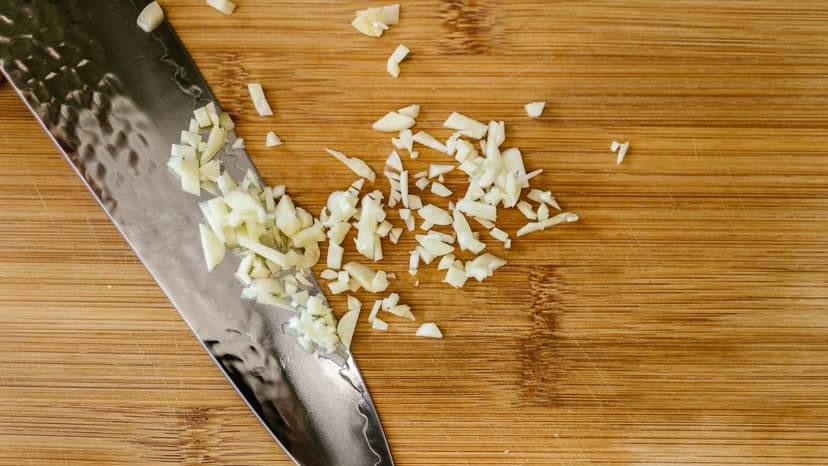
Close-up of chopped garlic on a wooden cutting board with a stainless steel knife.
Photograph: RDNE Stock project / Pexels

Aromatics and Herbs: Raw Infusions

Garlic, onions, ginger, and fresh herbs (like parsley, coriander, and oregano) contain some of the most powerful natural antioxidants in the human diet. Using them only as background flavours during long cooks diminishes their health potential.

Crushing garlic breaks open its cell walls, triggering an enzymatic reaction that creates allicin, the active compound responsible for garlic's antibacterial and blood-pressure-lowering effects. Letting it rest for 10 minutes before heating allows this reaction to finish, making the allicin heat-resistant.

Maximising Allicin in garlic

The Technique: Layering Raw and Finely Chopped Aromatics

Maximise the natural potency of herbs and alliums by adding a portion of them completely raw or right at the end of cooking.

  1. 1Crush garlic early: Chop or crush garlic and let it sit on your chopping board for 10 minutes before cooking.
  2. 2Chop herbs finely: Use a sharp knife to slice soft herbs cleanly without crushing them into a dark paste.
  3. 3Build raw finishing sauces: Combine raw garlic, chopped parsley, lemon zest, and a little olive oil to create a classic gremolata or salsa verde. Spoon this over warm cooked food right before serving.

The Health Benefits

  • Maximising Allicin in garlic: Crushing garlic breaks open its cell walls, triggering an enzymatic reaction that creates allicin, the active compound responsible for garlic's antibacterial and blood-pressure-lowering effects. Letting it rest for 10 minutes before heating allows this reaction to finish, making the allicin heat-resistant.
  • Concentrated micronutrients: Fresh leafy herbs are packed with Vitamin K and flavonoids. Serving them raw as a finishing element preserves these compounds intact, providing a concentrated boost of antioxidants that protect blood vessels.

Summary: The Longevity Plate Strategy

When building a meal for both health and flavour, follow this simple assembly process:

Read next

General information about food and cooking, not medical or dietary advice. Talk to a doctor or a registered dietitian about your own health, particularly if you are managing a condition or taking medication.