melloSign in

Balancing Flavour: Architectural Use of Salt, Fat, and Acid

When a home-cooked meal tastes dull or uninspiring, the default reaction is often to throw in more herbs, garlic, or exotic spices. In a professional kitchen, we rarely reach for extra spices to fix a flat dish. Instead, we assess the structural balance of the food.

3 parts5 min read

Bearded chef seasoning gourmet dishes with pepper in a busy restaurant kitchen.
Photograph: Alex Gonzo / Pexels

Flavour balance is not an art reserved for master chefs; it is a mechanical process governed by basic chemistry. Every great dish relies on the interplay of three primary pillars: Salt (which amplifies natural flavour), Fat (which carries flavour and gives richness), and Acid (which cuts through heaviness and provides contrast).

Understanding how these three elements interact allows you to fix meals on the fly, cook intuitively without recipes, and maximise the nutritional benefits of your ingredients.
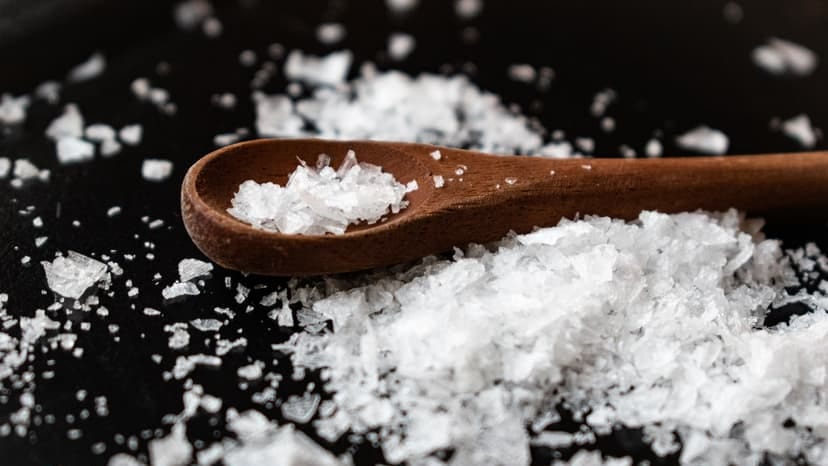

Closeup of wooden spoon arranged with sea salt scattered on table in kitchen
Photograph: Maria Petersson / Pexels

Salt: Universal Flavour Amplifier

Salt is much more than a seasoning that makes food taste "salty." Chemically, sodium chloride suppresses our perception of bitterness and draws out the natural aromatic compounds in food, allowing sweet and savoury flavours to shine through.

Layering salt throughout the cooking process extracts far more flavour using significantly less total salt than sprinkling raw salt onto finished, bland food at the table.

Lower total sodium intake

Technique: Step-by-Step Layering

You shouldn't dump all your salt into a dish at the very end of cooking. Adding salt only at the table coats the surface of the food, giving a harsh, sharp sodium hit while the inside remains bland.

  1. 1Season early: Add a small pinch of salt at the very start of cooking, when sweating onions, searing vegetables, or soaking legumes. This allows salt time to penetrate deep into the cellular structure of the food.
  2. 2Season the cooking water: When boiling grains, pasta, or vegetables, ensure the water tastes noticeably seasoned (like mild seawater). The food will absorb the salted water evenly as it swells and cooks.
  3. 3Taste continuously: Season lightly at each stage of the process, tasting as you go. You are looking for the moment the core ingredient (whether tomato, mushroom, or squash) suddenly tastes distinctly like itself.

Health Benefits

  • Lower total sodium intake: Layering salt throughout the cooking process extracts far more flavour using significantly less total salt than sprinkling raw salt onto finished, bland food at the table.
  • Reduces reliance on processed condiments: By seasoning raw ingredients properly, you eliminate the need for packaged, sodium-heavy bottled sauces and dressings filled with preservatives and refined sugars.
  • Enhances nutrient-rich vegetables: A light touch of salt suppresses the harsh, bitter compounds in dark leafy greens (like kale and bitter melon), making antioxidant-rich vegetables far more palatable without needing added sugar or heavy cream.
Traditional Turkish mıhlama with bread served on a rustic wooden table setting.
Photograph: Mavi Yıldız Restoran Cumalıkızık Bursa / Pexels

Fat: Flavour Carrier and Richness

Fat serves two distinct purposes in cooking: it coats the tongue to create a satisfying, rich texture, and it acts as a solvent. Many of the most powerful flavour compounds in spices, herbs, and vegetables are fat-soluble, meaning they only release their taste and aroma when dissolved in fat.

Consuming healthy fats alongside carbohydrates slows down gastric emptying. This means your body digests the meal more gradually, preventing sharp blood sugar spikes and sustained energy crashes.

Stabilises blood sugar

Technique: Blooming and Emulsification

You shouldn't cook with fat purely to prevent food from sticking to the pan. Treat fat as an active flavour transportation system.

  1. 1Bloom spices in warm oil: Before adding liquids or bulk ingredients to a pan, gently warm your dry spices, garlic, or ginger in a tablespoon of oil over low heat for 60 seconds. The fat dissolves the aromatic oils in the spices, distributing them throughout the entire dish.
  2. 2Mount sauces off the heat: To make a light pan sauce feel rich without heavy cream, whisk a knob of cold butter or a tablespoon of cold extra-virgin olive oil into a simmering pan liquid right after removing it from the stove. This creates a smooth, glossy emulsion.
  3. 3Match heat to the right fat: Use heat-stable fats like avocado oil or light olive oil for high-heat roasting, and save delicate fats like raw extra-virgin olive oil, nut oils, or toasted sesame oil strictly for finishing dishes off the heat.

Health Benefits

  • Stabilises blood sugar: Consuming healthy fats alongside carbohydrates slows down gastric emptying. This means your body digests the meal more gradually, preventing sharp blood sugar spikes and sustained energy crashes.
  • Unlocks fat-soluble vitamins: Essential vitamins found in vegetables, specifically Vitamins A, D, E, and K, as well as antioxidants like lycopene in tomatoes and beta-carotene in carrots, cannot be absorbed by the human digestive tract without fat present.
  • Promotes long-term satiety: Healthy fats trigger the release of hormones that tell your brain you are full, helping you feel nourished and satisfied without overeating.
A person is squeezing lemon over grilled fish and vegetables on a sunny day.
Photograph: Alexey Demidov / Pexels

Acid: Counterweight and Palate Brightener

If salt turns up the volume of flavour and fat gives it body, acid provides contrast. Acid, found in citrus fruits, vinegars, fermented foods, and cultured dairy, wakes up the palate by creating a sharp, refreshing contrast to rich or heavy ingredients.

Acidic ingredients like lemon juice and raw apple cider vinegar stimulate the production of digestive enzymes and stomach acid, helping your digestive system break down heavy proteins and fats cleanly.

Improves digestion

Technique: Off-Heat Finishing

You shouldn't cook acidic ingredients for extended periods if you want a bright, fresh flavour. Prolonged heat dulls the volatile aromatic compounds that make acids taste vibrant.

  1. 1Identify heavy dishes: Any dish containing heavy fats, such as slow-cooked stews, roasted root vegetables, creamy soups, or pan-seared fish, requires acid to balance the palate.
  2. 2Add acid at the final second: Squeeze fresh lemon or lime juice, or stir in a splash of quality vinegar (like apple cider, sherry, or red wine vinegar), immediately before serving.
  3. 3Deglaze with acid: After searing proteins or roasting vegetables, pour a splash of wine or vinegar into the hot pan to dissolve the caramelised bits stuck to the bottom, creating a bright, flavourful pan base.

Health Benefits

  • Improves digestion: Acidic ingredients like lemon juice and raw apple cider vinegar stimulate the production of digestive enzymes and stomach acid, helping your digestive system break down heavy proteins and fats cleanly.
  • Lowers the glycemic index of meals: Clinical studies show that adding acid (specifically vinegars or citrus juices) to carb-heavy meals reduces the overall glycemic response, helping keep insulin levels stable.
  • Protects kidney function: The natural citrates found in fresh lemon and lime juice help inhibit the formation of kidney stones and support overall urinary tract health.

Live Stove-Side Troubleshooting Guide

When you taste a dish near the end of cooking and something feels wrong, use this quick diagnostic framework instead of randomly throwing in more ingredients:

The dish tastes flat, muddy, or boring.

DiagnosisMissing salt or acid.

FixAdd a tiny pinch of salt first. If it still feels heavy or unexciting, add a squeeze of fresh lemon juice or a dash of vinegar.

The dish tastes too sharp, harsh, or aggressive.

DiagnosisExcess acid or lack of fat.

FixStir in a tablespoon of cold extra-virgin olive oil, a splash of unsweetened plant milk, or a small knob of butter to round out the sharp edges.

The dish tastes bitter (e.g. burnt garlic or over-reduced greens).

DiagnosisUnbalanced bitterness.

FixAdd a small pinch of salt to suppress the bitter taste receptors on your tongue, paired with a small touch of fat or mild acid.

The dish feels too greasy or coating on the tongue.

DiagnosisExcess fat without contrast.

FixDrizzle in a bright, sharp acid, like red wine vinegar, pickled juice, or fresh citrus zest, to cut straight through the oiliness.

Summary: Balanced Plate Blueprint

Next time you cook, aim for a harmony of all three elements:

Read next

General information about food and cooking, not medical or dietary advice. Talk to a doctor or a registered dietitian about your own health, particularly if you are managing a condition or taking medication.