melloSign in

Anti-Inflammatory Eating: Made Simple

"Anti-inflammatory" usually arrives attached to a juice cleanse. The real version is duller and works better: get the active compounds out of your spices and into your bloodstream, and stop cooking in ways that create the problem.

3 parts4 min read
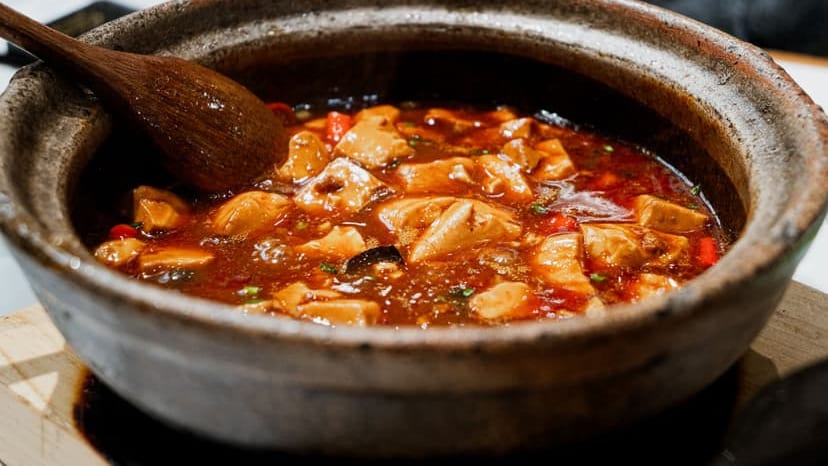
Top view of assorted spice powders in metal bowls showcasing vibrant colors against a dark background.
Photograph: Pranjall Kumar / Pexels

Two moves carry most of it; bloom turmeric and ginger in fat with black pepper, and keep delicate fats and seeds off high heat entirely.
7 meals that do this for you

These 7 meals do the work for you; every one blooms its spices in fat, finishes with raw oil or seeds, and never takes a pan past golden.

Previewing

Golden Turmeric Braised Lentils with Seared Tofu

Serves 445 mins13 ingredients

What's in it

  • brown lentilsAmount locked
  • extra-firm tofuAmount locked
  • avocado oilAmount locked
  • onionAmount locked
  • garlicAmount locked
  • fresh gingerAmount locked
  • ground turmericAmount locked
  • black pepperAmount locked

+ 5 more

FULL RECIPE & METHOD LOCKED

Ready to cook this?

Get exact ingredient quantities, step-by-step cooking mode, and auto-generated grocery lists for the entire Anti-Inflammatory Eating set.

Sign up free to unlock

Free to join • No credit card required

The mechanics, in full

Why each of those moves works, and what goes wrong without it.

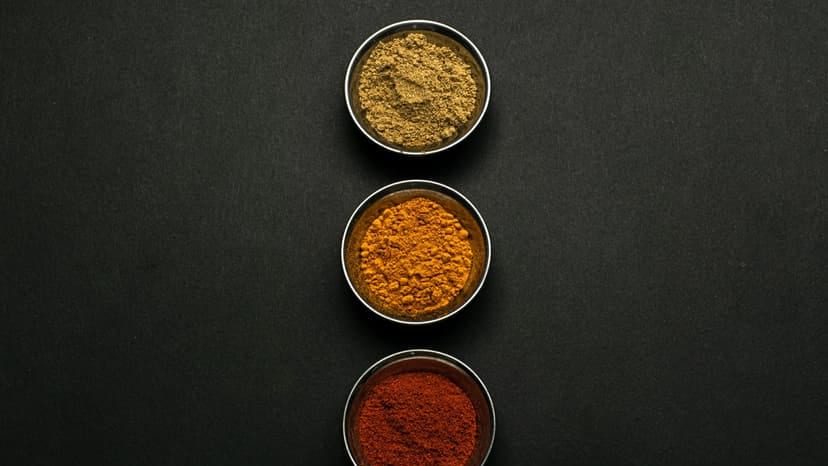
Five spoons of vibrant spices against a black background, showcasing culinary diversity.
Photograph: Tamanna Rumee / Pexels

Polyphenol Extraction: Gentle Heat and Fat Blooming

Polyphenols are powerful plant compounds found in spices (like turmeric and ginger), berries, dark leafy greens, and green tea. They act as natural internal antioxidants, neutralising free radicals and turning down inflammatory signalling in your body.

However, many polyphenols are locked inside plant cell walls and are fat-soluble. Boiling them in water or cooking them at dry, extreme heat destroys their chemical structure before you swallow a single bite.

Dissolving polyphenols in fat allows them to pass smoothly through your intestinal wall into your bloodstream.

Maximises anti-inflammatory uptake

Technique: Blooming Spices in Healthy Fats

You shouldn't toss dry turmeric powder into a pot of boiling liquid. To unlock its full potential, gentle heat and healthy fats are required.

  1. 1Warm fat over low heat: Heat a tablespoon of avocado oil or light olive oil in a pan over low-to-medium heat.
  2. 2Bloom aromatics gently: Add ground turmeric, cracked black pepper, fresh ginger, and garlic. Stir continuously for 60 seconds until fragrant.
  3. 3Always pair turmeric with black pepper: Black pepper contains a natural compound called piperine. Combining piperine with fat increases your body's absorption of curcumin (the active anti-inflammatory compound in turmeric) by up to 2,000%.

Health Benefits

  • Maximises anti-inflammatory uptake: Dissolving polyphenols in fat allows them to pass smoothly through your intestinal wall into your bloodstream.
  • Turns down joint and muscle pain: Curcumin and gingerol actively inhibit inflammatory enzymes (like COX-2), helping reduce stiffness and joint soreness.
  • Protects vascular health: Intact polyphenols protect the delicate inner lining of your blood vessels from oxidative stress, supporting healthy blood flow.
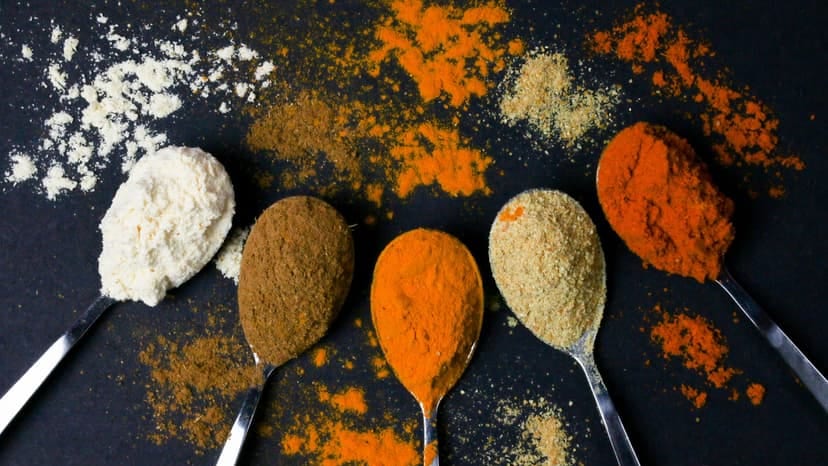
A mix of seeds, nuts, and spices in a bowl on a pink textured cloth, showcasing healthy food.
Photograph: João Jesus / Pexels

Omega-3 Preservation: Cold and Low-Heat Applications

Omega-3 fatty acids are essential fats that actively produce "resolvins", molecules that signal your immune system to shut down an inflammatory response once it is no longer needed. They are found in walnuts, flaxseeds, chia seeds, hemp seeds, and cold-water fish.

Polyunsaturated fats like omega-3s are chemically delicate. Exposing them to direct pan frying or high oven temperatures breaks their double bonds, turning beneficial fats into rancid, oxidised molecules that cause inflammation.

Protecting delicate fats from heat ensures you do not consume oxidised free radicals that inflame arterial walls.

Prevents lipid oxidation

Technique: Raw Additions and Off-Heat Finishing

You shouldn't roast delicate nuts or seeds at high temperatures for long periods or cook with unrefined seed oils.

  1. 1Keep delicate seeds raw or gently toasted: Add chia, hemp, or ground flaxseeds to cooked grain bowls, soups, or salads after the food has been removed from the heat source.
  2. 2Finish with cold-pressed oils: Use extra-virgin olive oil, walnut oil, or flaxseed oil strictly as finishing drizzled sauces at the table.
  3. 3Soak nuts for maximum absorption: Soaking raw walnuts in water overnight softens their structure, making their healthy fats and minerals far easier to digest.

Health Benefits

  • Prevents lipid oxidation: Protecting delicate fats from heat ensures you do not consume oxidised free radicals that inflame arterial walls.
  • Supports brain and heart health: Undamaged omega-3 fatty acids keep cell membranes flexible, supporting cognitive focus and healthy cholesterol ratios.
  • Calms gut irritation: Unrefined omega-3 fats help nourish the intestinal lining, reducing irritation in sensitive digestive tracts.
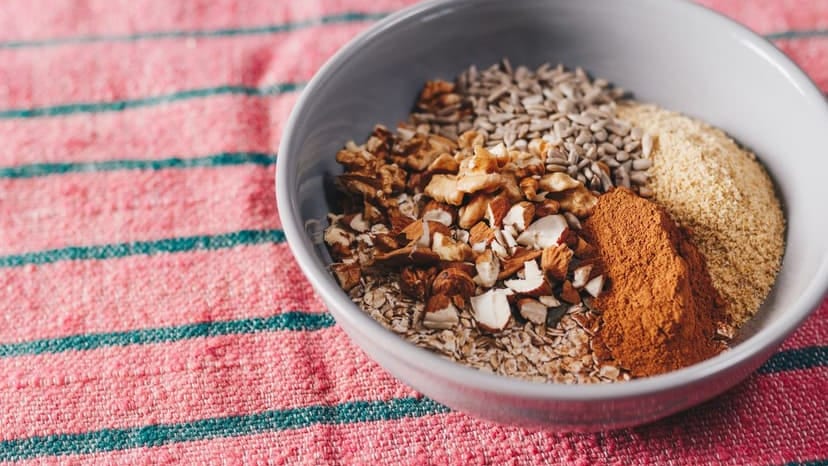
Close-up of a flavorful tofu stew simmering in a rustic pot with a wooden spoon.
Photograph: Nishino Minase / Pexels

Eliminating Inflammatory Triggers: Controlled Cooking Temperatures

Cooking food until it is deeply blackened or heavily charred creates chemical byproducts known as Advanced Glycation End-products (AGEs) and Acrylamides. When eaten regularly, these compounds trigger an immediate inflammatory response in your digestive tract and bloodstream.

Lowering inflammation is as much about what you prevent during cooking as what you put into the pan.

Eliminating charred compounds takes a heavy burden off your liver and kidneys.

Reduces systemic oxidative stress

Technique: Poaching, Braising, and Gentle Searing

You shouldn't rely on open-flame grilling or deep-frying for daily meals. Use moisture-rich cooking methods that keep temperatures safe.

  1. 1Braise in liquid: Cook vegetables, beans, and grains gently in seasoned stocks, tomato sauces, or coconut milks. Water keeps the maximum temperature capped at 100°C (212°F), preventing AGE formation completely.
  2. 2Use gentle pan-searing: When browning tofu, fish, or vegetables, aim for a light golden-amber colour rather than dark brown or black.
  3. 3Use acid as a protective shield: Marinating proteins in lemon juice, lime juice, or vinegar before cooking reduces AGE formation by up to 50% during pan cooking.

Health Benefits

  • Reduces systemic oxidative stress: Eliminating charred compounds takes a heavy burden off your liver and kidneys.
  • Protects tissue elasticity: Lower intake of AGE compounds prevents collagen stiffening, keeping skin, blood vessels, and joint cartilage flexible.
  • Sustains gut wall integrity: Gentle cooking methods keep food easy to break down, preventing intestinal irritation and bloating.

Kitchen Troubleshooting Guide

If your anti-inflammatory cooking isn't delivering maximum flavour or comfort, use this guide:

Turmeric tastes chalky, bitter, or raw.

DiagnosisSpices were added directly to water without blooming in warm fat first.

FixAlways gently sauté ground turmeric in oil with black pepper for at least 60 seconds before adding any liquids to the pan.

Leafy greens taste harsh, metallic, or tough.

DiagnosisGreens were overcooked at high heat, destroying their delicate sugars.

FixStir greens into hot dishes after removing the pan from the stove burner, letting gentle steam soften them while preserving their vibrant colour.

Salad dressing tastes unpleasantly sharp or acrid.

DiagnosisUsing low-quality or oxidised olive oil, or incorrect fat-to-acid ratio.

FixWhisk 3 parts extra-virgin olive oil to 1 part acid (lemon or apple cider vinegar), and ensure your oil is fresh and stored in a dark glass bottle.

Summary: Anti-Inflammatory Blueprint

Keep these three rules in mind whenever you cook:

Read next

General information about food and cooking, not medical or dietary advice. Talk to a doctor or a registered dietitian about your own health, particularly if you are managing a condition or taking medication.