melloSign in

Plant-Based Protein Optimisation: Building Complete Amino Profiles

A common myth about plant-based diets is that plant proteins are "incomplete" or somehow inferior to animal products. In reality, plants contain all nine essential amino acids your body needs to build muscle, repair tissue, and produce enzymes.

3 parts5 min read
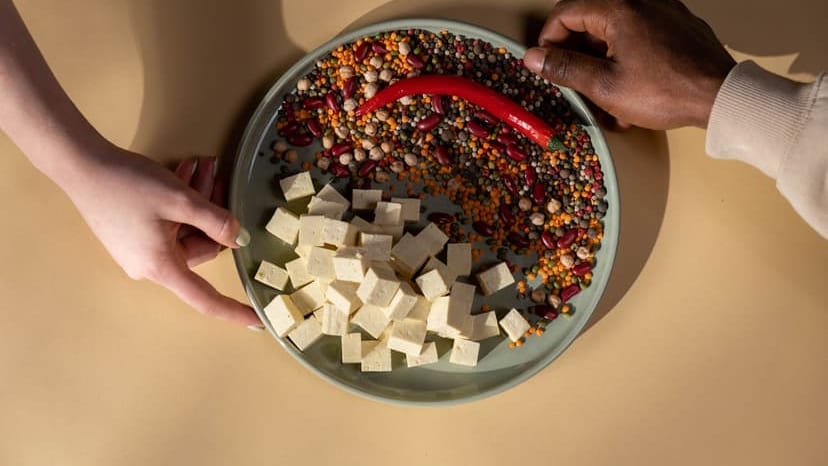
A diverse plate with tofu, legumes, and a chili pepper. Hands shown.
Photograph: cottonbro studio / Pexels

The main difference is that while meat contains all nine essential amino acids in a single bite, individual plants have different amino acid balances. By learning how to pair complementary ingredients and prepare them properly, you unlock complete protein profiles while improving digestion and nutrient absorption.
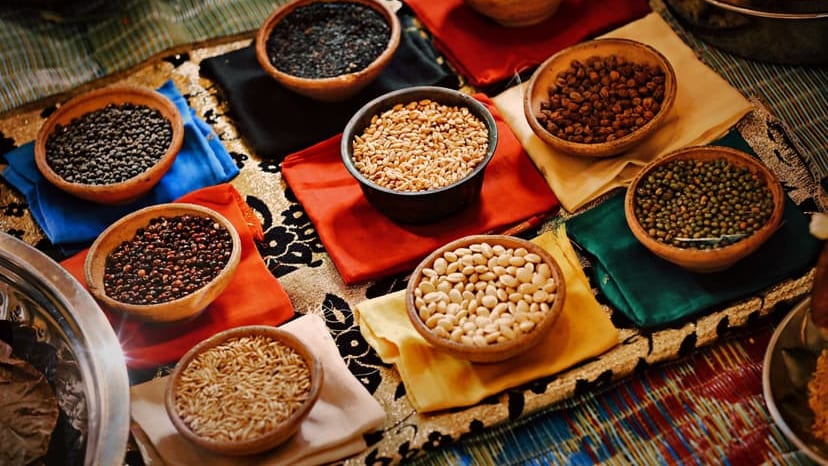
A vibrant assortment of grains and beans in ceramic bowls arranged on colorful textiles, showcasing diverse ingredients.
Photograph: Kumaran Sonof Vijayan / Pexels

Amino Acid Completeness: Combining Plant Proteins

Amino acids are the building blocks of protein. Your body requires nine "essential" amino acids from food because it cannot manufacture them on its own. Legumes (beans, lentils, peas) are rich in an essential amino acid called lysine, but lower in methionine. Grains (rice, oats, wheat) are high in methionine, but lower in lysine.

When you pair legumes with grains, seeds, or nuts across your daily meals, they fill in each other's gaps, creating a complete protein profile.

Delivering a full spectrum of amino acids ensures your body has the raw materials needed to maintain lean muscle mass and repair tissues after exercise.

Supports muscle repair and growth

Technique: Complementary Pairing and Batch Cooking

You don't need to stress over complex math at every single meal. Your liver stores amino acids throughout the day, so combining complementary sources within a 24-hour window gives your body everything it needs.

  1. 1Pair legumes with whole grains: Combine black beans with brown rice, lentil soup with whole-grain sourdough, or chickpea curry with quinoa.
  2. 2Use soy and pseudograins as single-source complete proteins: Soybeans (tofu, tempeh, edamame), quinoa, buckwheat, and chia seeds naturally contain balanced amounts of all nine essential amino acids on their own.
  3. 3Build modular protein bowls: Keep a batch of cooked whole grains and a container of seasoned braised beans in your fridge. Mixing a scoop of each creates an instant, complete protein base for any lunch or dinner.

Health Benefits

  • Supports muscle repair and growth: Delivering a full spectrum of amino acids ensures your body has the raw materials needed to maintain lean muscle mass and repair tissues after exercise.
  • Avoids saturated fat and cholesterol: Sourcing protein from plants instead of red or processed meats delivers high-quality protein with zero cholesterol and significantly less saturated fat, protecting long-term heart health.
  • Provides steady, long-lasting energy: Combining plant protein with the complex carbohydrates found in grains and beans prevents blood sugar spikes, keeping your energy stable for hours.
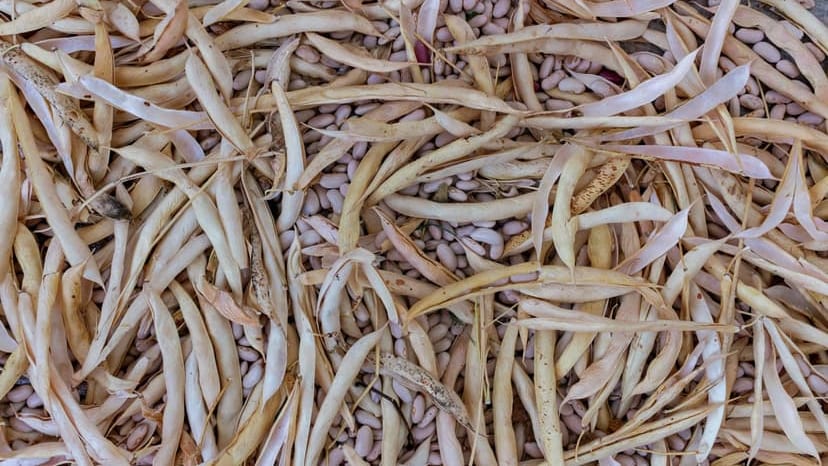
High-resolution detail of dried bean pods and seeds in an agricultural setting.
Photograph: Ana Vieira / Pexels

Bioavailability: Soaking, Sprouting, and Fermentation

Raw grains, nuts, seeds, and legumes contain natural plant compounds called "anti-nutrients" (such as phytic acid and lectins). These compounds protect the seed in nature, but in the human digestive system, they bind to minerals like iron, zinc, and calcium, making them harder for your body to absorb.

Using traditional preparation techniques breaks down these compounds, dramatically increasing the "bioavailability", or usability, of plant protein and minerals.

Deactivating phytic acid allows your gut to absorb up to 50% more iron and zinc from your plant foods, helping prevent fatigue and supporting immune function.

Dramatically improves mineral absorption

Technique: Deactivating Anti-Nutrients

You shouldn't cook dried beans or raw grains straight out of the bag. A little advance preparation makes a massive difference in nutrition and comfort.

  1. 1Soak dried legumes and grains: Submerge dried beans, lentils, or whole grains in warm water with a splash of apple cider vinegar or lemon juice for 8 to 12 hours before cooking. Drain and rinse thoroughly with fresh water before simmering.
  2. 2Choose fermented soy products: Opt for tempeh or miso over highly processed soy isolates. Tempeh is made from whole soybeans fermented with a natural culture, which breaks down complex proteins and anti-nutrients during fermentation.
  3. 3Incorporate sprouted grains and seeds: Look for sprouted grain breads, sprouted lentils, or sprouted pumpkin seeds. Sprouting tricks the seed into starting to grow, naturally breaking down phytic acid.

Health Benefits

  • Dramatically improves mineral absorption: Deactivating phytic acid allows your gut to absorb up to 50% more iron and zinc from your plant foods, helping prevent fatigue and supporting immune function.
  • Reduces digestive heaviness: Soaking and fermenting pre-digests tough starches and complex proteins, eliminating the gas, bloating, and heaviness often associated with eating beans.
  • Feeds healthy gut flora: Fermented plant proteins like tempeh bring natural probiotics and prebiotic fibre into your digestive tract, supporting a healthy microbiome.
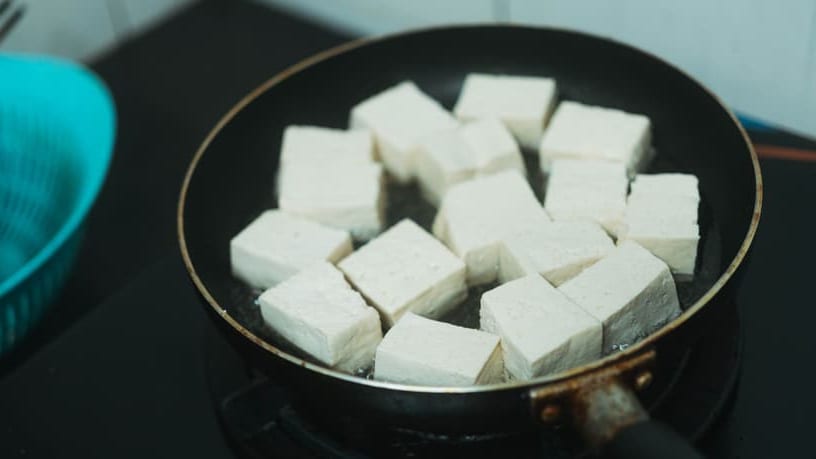
Close-up of white tofu cubes frying in a black non-stick pan.
Photograph: FOX ^.ᆽ.^= ∫ / Pexels

Texture Mechanics: Building Savoury Depth

Many people find plant proteins unappealing simply because of bad texture, such as soft, wet tofu or bland, mushy canned beans. In professional cooking, we use moisture removal and controlled heat to give plant proteins a firm bite and a rich, savoury exterior.

Developing a deep, golden crust on plant proteins creates umami, the savoury fifth taste that signals to your brain that a meal is deeply satisfying.

Creating a firm, chewy texture forces you to eat more slowly. Chewing thoroughly triggers fullness hormones, preventing overeating.

Promotes mindful chewing and satiety

Technique: Pressing and High-Heat Searing

You shouldn't cook tofu straight out of the liquid package. Water is the enemy of texture and flavour absorption.

  1. 1Press your tofu: Slice firm or extra-firm tofu into blocks, wrap them in a clean kitchen towel, and place a heavy skillet or weight on top for 15 to 20 minutes. Pressing squeezes out excess water, leaving room for the tofu to absorb marinades and crisp up in the pan.
  2. 2Roast chickpeas for crunch: Toss cooked, thoroughly dried chickpeas with a teaspoon of oil and spices, then roast at 200°C (400°F) for 25 minutes until crunchy. Use them as a high-protein alternative to salad croutons.
  3. 3Sear tempeh in a hot pan: Cut tempeh into thin slices, steam them for 5 minutes to remove any natural bitterness, pat them dry, and sear in a hot skillet until deep golden brown on both sides.

Health Benefits

  • Promotes mindful chewing and satiety: Creating a firm, chewy texture forces you to eat more slowly. Chewing thoroughly triggers fullness hormones, preventing overeating.
  • Eliminates need for high-fat glazes: Achieving rich, savoury flavour through proper searing means you don't need to drown plant proteins in sugary, processed sauces to make them taste good.
  • Encourages long-term dietary consistency: Making plant proteins genuinely delicious ensures you can stick to a plant-rich diet long-term without feeling restricted or unsatisfied.

Kitchen Protein Troubleshooting Guide

If your plant protein dishes aren't turning out right, use this diagnostic guide to fix them:

Tofu turns out soggy, pale, and bland.

DiagnosisExcess water inside the tofu prevented it from searing and absorbing flavour.

FixPress the tofu for 20 minutes to remove water, pat the surface dry, toss with a pinch of cornflour, and sear in a hot, preheated pan with oil.

Eating beans causes severe gas and stomach bloating.

DiagnosisBeans were cooked too fast without soaking, leaving complex sugars intact.

FixSoak dried beans for 12 hours with a pinch of bicarbonate of soda, discard the soaking water, and simmer gently with a slice of fresh ginger or a bay leaf until completely soft.

Tempeh tastes slightly bitter.

DiagnosisNatural fermentation compounds on the surface.

FixSteam whole blocks of tempeh in a steamer basket over boiling water for 5 to 10 minutes before marinating or searing to strip away all bitterness.

Grain and bean bowls feel dry and disconnected.

DiagnosisMissing a fat-and-acid emulsion to bind the proteins together.

FixDrizzle with a quick tahini dressing (tahini, lemon juice, garlic, cold water, and salt) to add healthy fats and tie the flavours together.

Summary: Plant Protein Blueprint

Use this simple assembly framework to build balanced, protein-complete meals every day:

Read next

General information about food and cooking, not medical or dietary advice. Talk to a doctor or a registered dietitian about your own health, particularly if you are managing a condition or taking medication.