melloSign in

Produce Lifespan: Ingredient Storage Mechanics

Throwing away wilted herbs, slimy greens, or mushy tomatoes is a frustrating waste of food and money. In professional kitchens, keeping produce fresh isn't just about putting everything straight into the fridge. It comes down to understanding basic plant science.

3 parts5 min read
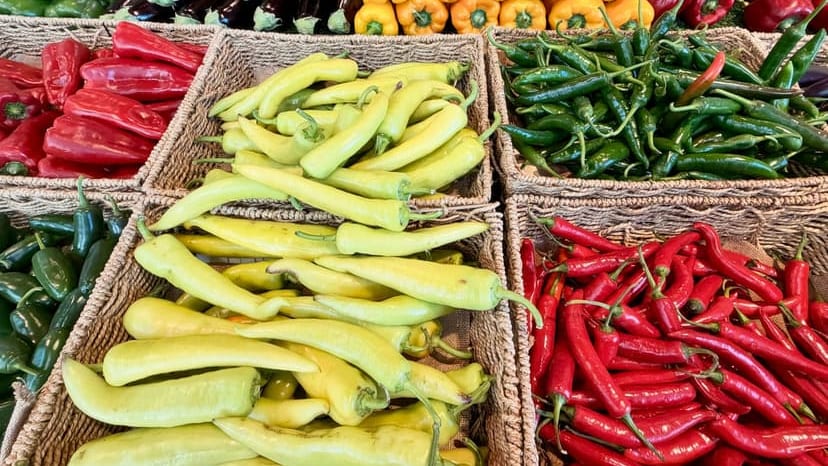
Vibrant array of peppers and vegetables in baskets at a market in Narre Warren, Australia.
Photograph: Joolsmagools ®️ / Pexels

Vegetables and fruits are still living organisms after they are harvested. They breathe, lose moisture, and naturally age over time. By managing three simple environmental factors, ethylene gas, storage temperature, and moisture levels, you can extend the life of your ingredients by weeks, keep their flavour peak, and protect their nutritional value.
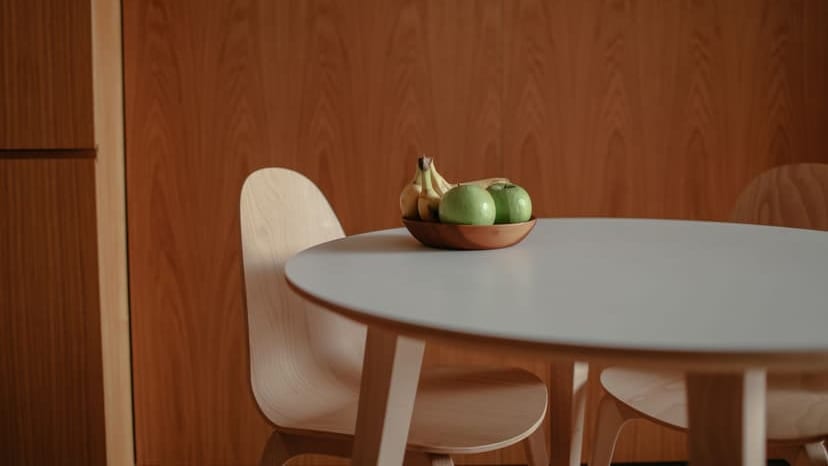
A simple fruit bowl with green apples and bananas on a sleek wooden table, perfect for a modern kitchen.
Photograph: Cup of Couple / Pexels

Ethylene Gas Management: Controlling Ripening

Ethylene is a natural, invisible gas given off by certain fruits as they ripen. It acts as an internal timer, telling nearby plant cells to soften, turn starches into sugars, and break down colour.

When fruits that produce a lot of ethylene sit right next to produce that is sensitive to it, those sensitive ingredients turn yellow, go soft, and rot much faster than they should.

Fast decay caused by ethylene builds up moisture, creating ideal conditions for harmful moulds that strain your immune system.

Prevents mould growth

Technique: Strategic Separation and Airflow

You shouldn't dump all your fresh produce into a single bowl or fridge drawer. Grouping items by how they react to ethylene keeps everything fresh longer.

  1. 1Identify high-ethylene fruits: Apples, bananas, avocados, tomatoes, pears, and melons release large amounts of ethylene gas as they ripen.
  2. 2Isolate sensitive produce: Keep leafy greens, herbs, carrots, cucumbers, broccoli, and potatoes far away from ethylene producers. Storing potatoes next to apples, for example, makes the potatoes sprout prematurely.
  3. 3Give room-temperature items air: Keep bananas, stone fruit, and tomatoes in open-air baskets rather than sealed plastic bags. Good airflow allows the gas to disperse harmlessly into the room instead of trapping it around the fruit.

Health Benefits

  • Prevents mould growth: Fast decay caused by ethylene builds up moisture, creating ideal conditions for harmful moulds that strain your immune system.
  • Protects key vitamins: As leafy greens turn yellow from ethylene exposure, they lose vital plant nutrients. Separating them keeps those health-boosting compounds intact.
  • Maintains a consistent healthy diet: Keeping fresh produce viable for weeks ensures you always have whole, nutritious food ready to cook, making it much easier to hit your daily vegetable goals.
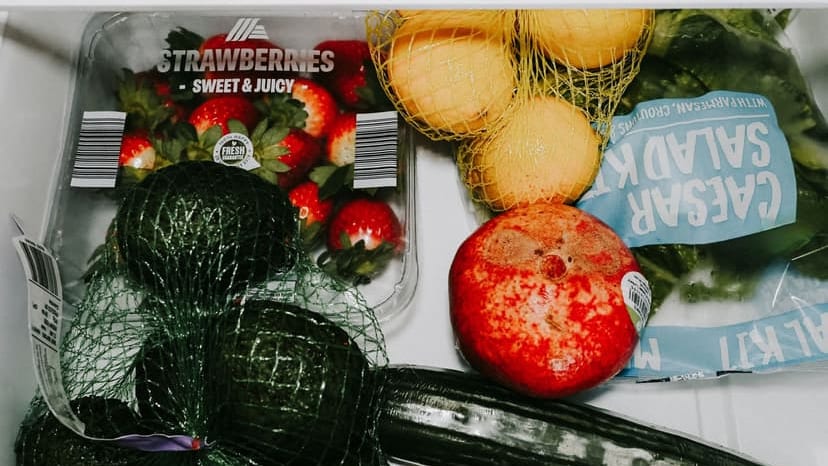
A variety of fresh fruits and vegetables including avocados, lemons, strawberries, and lettuce in a fridge drawer.
Photograph: Lisa Fotios / Pexels

Temperature and Storage Environments: Cold Thresholds

Cold temperatures slow down the natural decay and bacterial growth that cause food to rot. However, putting the wrong produce in the fridge damages its cell walls, permanently destroying both texture and flavour.

Warm-climate produce like tomatoes, aubergines, and tropical fruits suffer from cold damage at standard fridge temperatures (around 4°C / 40°F). Cold deactivates the enzymes that create natural aromas and breaks down cell walls, leaving food with a grainy, watery texture.

Storing ingredients at their proper temperature prevents cell damage, preserving delicate nutrients like Vitamin C and folate.

Preserves delicate vitamins

Technique: Sorting by Plant Origin

You shouldn't put every fresh purchase straight into the fridge. Match your storage spot to where the plant naturally grows best.

  1. 1Keep warm-climate produce on the counter: Store whole tomatoes, winter squash, garlic, onions, and unripened fruits (like mangoes and avocados) at room temperature, out of direct sunlight.
  2. 2Refrigerate cool-climate crops: Root vegetables (carrots, radishes, beetroot), cabbage family vegetables (broccoli, kale, cabbage), and leafy greens need cold temperatures and high humidity, making the fridge crisper drawer their ideal spot.
  3. 3Chill after cutting: Once any fruit or vegetable is sliced, its protective skin is broken. Move all cut produce into airtight containers in the fridge right away.

Health Benefits

  • Preserves delicate vitamins: Storing ingredients at their proper temperature prevents cell damage, preserving delicate nutrients like Vitamin C and folate.
  • Keeps natural antioxidants active: Keeping tomatoes at room temperature protects their natural lycopene, a powerful antioxidant that supports heart health.
  • Prevents unhealthy sugar buildup: Storing potatoes in the cold converts their complex starches into simple sugars prematurely. When fried or roasted at high heat, these sugary potatoes form higher levels of unwanted chemical byproducts. Keeping potatoes in a cool, dark pantry avoids this completely.
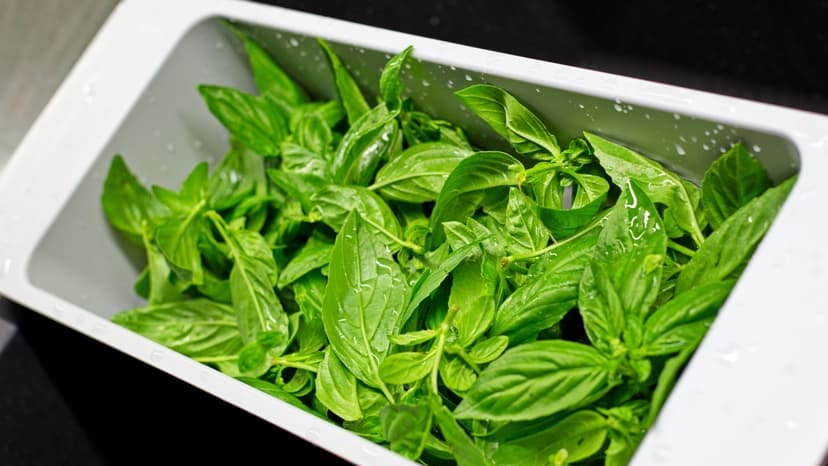
From above of plastic container in kitchen sink full of fresh green leaves of basil
Photograph: Damir Mijailovic / Pexels

Moisture Control: Balancing Hydration

Water loss is the main reason carrots go limp and lettuce wilts. However, simply sealing wet produce in a plastic bag traps moisture, creating a damp environment where bacteria thrive and turn greens into a slimy mess.

Extending produce life requires a simple balance: keeping enough humidity around the plant to prevent wilting while absorbing excess surface moisture.

Proper hydration keeps plant cells crisp and crunchy. Crunchy vegetables take more chewing, which triggers digestive juices and helps you feel full naturally.

Supports healthy digestion

Technique: Drying and Humidity Management

You shouldn't throw unwashed, damp greens directly into plastic bags. Manage surface moisture consciously before storing.

  1. 1Wash and dry leafy greens: Wash salad leaves or greens in cold water to crisp them up. Spin them completely dry in a salad spinner; trapped surface water is the main cause of rotting greens.
  2. 2Line containers with paper towels: Place dry greens or berries into breathable containers lined with dry paper towels or cloth. The towel absorbs extra condensation while keeping the air inside gently humid.
  3. 3Treat soft herbs like fresh flowers: Trim the bottom stems of soft herbs (parsley, coriander, mint) and stand them upright in a small glass with an inch of water. Cover the top loosely with a lightweight bag and place it in the fridge. This keeps the stems hydrated while protecting the leaves from cold fridge air.

Health Benefits

  • Supports healthy digestion: Proper hydration keeps plant cells crisp and crunchy. Crunchy vegetables take more chewing, which triggers digestive juices and helps you feel full naturally.
  • Stops harmful bacteria: Keeping excess liquid off vegetable surfaces prevents dangerous bacteria from multiplying quickly in your fridge.
  • Prevents nutrient loss: Maintaining a plant's natural water balance stops cell walls from leaking essential minerals like potassium and magnesium into the bottom of your storage container.

Kitchen Storage Troubleshooting Guide

If your produce is spoiling prematurely, use this quick diagnostic guide to correct your storage setup:

Leafy greens are turning into dark, slimy sludge within days.

DiagnosisTrapped surface water and lack of airflow.

FixWash greens, spin them completely dry, and store them loosely in a hard container lined with a dry towel rather than a tightly tied plastic bag.

Carrots, celery, or radishes have gone soft and bendable.

DiagnosisSevere water loss.

FixSubmerge limp root vegetables entirely in a jar of cold water in the fridge for 2 to 4 hours. They will soak up the water and crisp right back up.

Tomatoes taste mealy, bland, and watery.

DiagnosisCold damage from being stored in the fridge.

FixMove whole tomatoes to a flat plate on the counter, stem-side down, to protect their natural flavour and smooth texture.

Onions are sprouting green shoots or softening in the pantry.

DiagnosisStored near high-humidity items or ethylene sources (like potatoes).

FixSeparate onions from potatoes. Store onions in a cool, dry, dark place with plenty of airflow, like a mesh bag.

Summary: Produce Lifespan Blueprint

Follow this simple intake routine whenever you bring fresh produce home:

Read next

General information about food and cooking, not medical or dietary advice. Talk to a doctor or a registered dietitian about your own health, particularly if you are managing a condition or taking medication.