melloSign in

High-Protein Plant-Based: Made Simple

Building muscle without animal protein is not about powders. It is about hitting the leucine threshold from real food and preparing it so the amino acids are actually available to you.

3 parts5 min read
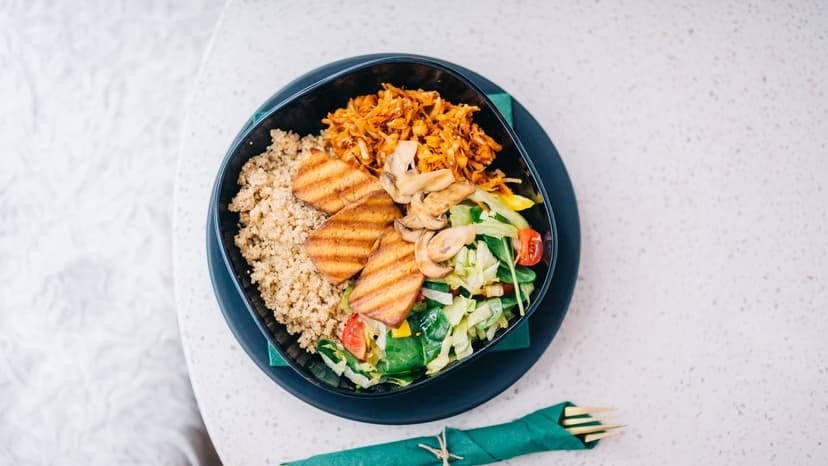
A nutritious bowl featuring grilled tofu, quinoa, fresh salad, and mushrooms on a light background.
Photograph: Novkov Visuals / Pexels

Tempeh, edamame and pulses do the anchoring. Raw seed sauces quietly add another 10-15g a plate.
7 meals that do this for you

These 7 meals are built around leucine-dense anchors, with a seed sauce on most of them doing the last stretch of the work.

Previewing

Smoked Paprika Tempeh and Edamame Bowl with Hemp Chimichurri

Serves 235 mins12 ingredients

What's in it

  • tempehAmount locked
  • edamameAmount locked
  • quinoaAmount locked
  • vegetable stockAmount locked
  • avocado oilAmount locked
  • smoked paprikaAmount locked
  • ground cuminAmount locked
  • hemp seedsAmount locked

+ 4 more

FULL RECIPE & METHOD LOCKED

Ready to cook this?

Get exact ingredient quantities, step-by-step cooking mode, and auto-generated grocery lists for the entire High-Protein Plant-Based set.

Sign up free to unlock

Free to join • No credit card required

The mechanics, in full

Why each of those moves works, and what goes wrong without it.

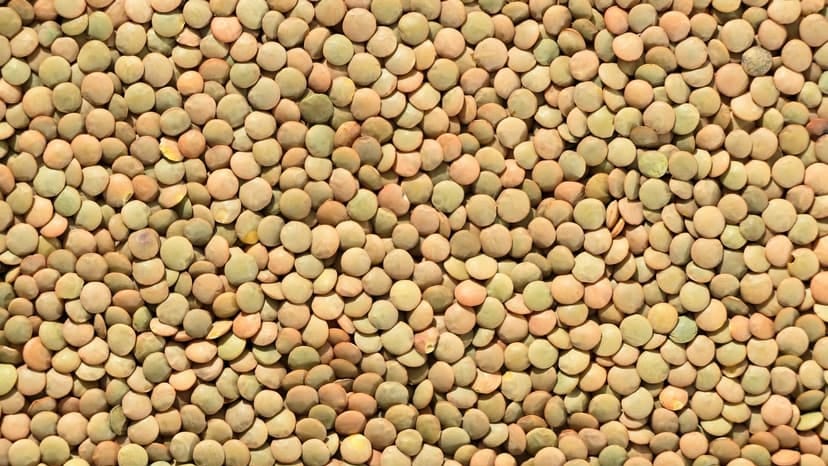
High-resolution image showing a textured background of green lentils in detail.
Photograph: Mustafa Akın / Pexels

Amino Acid Complementarity and The Leucine Threshold

While animal proteins contain all essential amino acids in a single source, plant protein sources vary in their amino acid distribution. For example, grains tend to be lower in lysine, while legumes are lower in methionine. Combining these sources across your daily meals creates a complete, highly usable amino acid profile.

For active individuals, leucine is the critical branched-chain amino acid (BCAA) that acts as the biological "on switch" for muscle repair. Achieving 35g+ of protein from leucine-rich plant anchors (such as tempeh, edamame, lentils, and seeds) ensures your body gets the signal to build and repair tissue after training.

Meeting the leucine threshold with whole foods provides the necessary signals for muscle tissue repair and growth.

Triggers muscle protein synthesis (MPS)

Technique: Leucine-Dense Anchor Bases

You shouldn't rely on simple green salads or light vegetable soups for post-workout meals. Build your plates around dense, leucine-rich whole food bases.

  1. 1Use fermented soy as your primary anchor: Tempeh and organic edamame contain some of the highest concentrations of leucine and complete protein in the plant world (roughly 20g of protein per 100g).
  2. 2Layer whole-food seed toppings: Top dishes with raw hemp seeds, pumpkin seeds (pepitas), or sunflower seeds. Just 3 tablespoons of hemp seeds adds 10 grams of complete, easily digested protein.
  3. 3Pair legumes with intact ancient grains: Combine lentils, black beans, or chickpeas with quinoa, farro, or brown rice to ensure a complete essential amino acid profile.

Health Benefits

  • Triggers muscle protein synthesis (MPS): Meeting the leucine threshold with whole foods provides the necessary signals for muscle tissue repair and growth.
  • Accelerates athletic recovery: Whole-food protein sources come packaged with natural antioxidants that help reduce post-workout muscle soreness.
  • Provides sustained, clean energy: Unlike heavy protein powders or fatty meat cuts, whole plant proteins digest smoothly without causing post-meal lethargy.
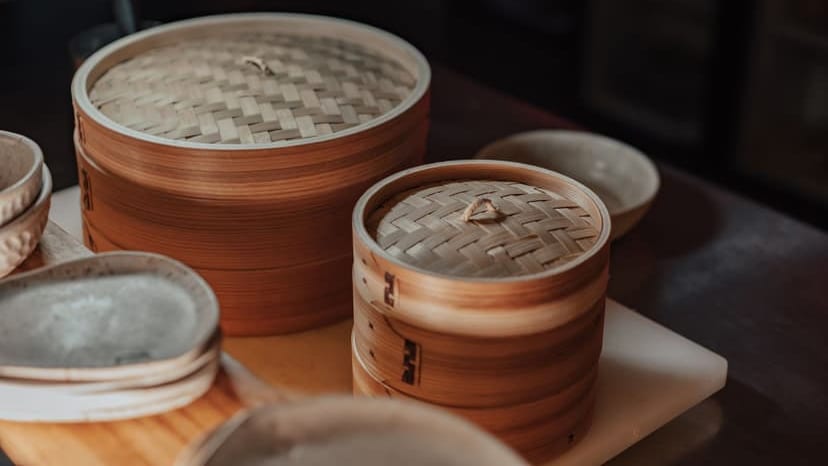
Close-up of bamboo steamers in warm light, showcasing traditional Asian kitchenware.
Photograph: Mikhail Nilov / Pexels

Bioavailability Enhancement: Removing Anti-Nutrients

Whole plant protein sources are naturally protected by compounds like phytic acid and enzyme inhibitors. These anti-nutrients bind to minerals (such as zinc, iron, and magnesium) and slow down protein digestion in your stomach and small intestine.

Culinary processing techniques, specifically soaking, fermenting, and gentle steaming, break down phytic acid and uncoil tight protein chains, making the amino acids far more available to your body's digestive enzymes.

Degrading phytates allows digestive enzymes (like pepsin and trypsin) to break down plant proteins quickly and efficiently.

Increases amino acid absorption

Technique: Steaming, Soaking, and Heat Activation

You shouldn't eat raw or un-steamed tempeh directly out of the package, nor should you cook unsoaked seeds and legumes.

  1. 1Steam tempeh before cooking: Steam raw tempeh over boiling water for 10 minutes. This hydrates the fermented soybean matrix, neutralises bitter anti-nutrients, and opens the pores of the tempeh so it absorbs marinades rapidly.
  2. 2Soak raw seeds and legumes: Soak raw pumpkin seeds, sunflower seeds, or dried beans in warm water with a pinch of salt before cooking or blending them.
  3. 3Sear gently without scorching: Cook proteins over medium-high heat until golden brown. Avoid dark charring, which hardens plant proteins and makes them harder to break down.

Health Benefits

  • Increases amino acid absorption: Degrading phytates allows digestive enzymes (like pepsin and trypsin) to break down plant proteins quickly and efficiently.
  • Unlocks essential recovery minerals: Removing phytic acid liberates zinc and magnesium, which are vital for hormonal balance and cellular repair.
  • Eliminates post-workout bloat: Pre-treating plant proteins prevents heavy, unabsorbed food from fermenting in your gut while you rest.
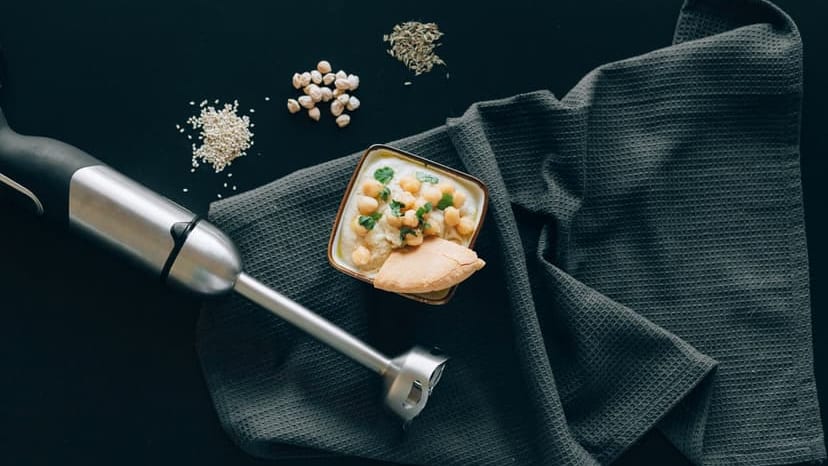
Delicious Mediterranean hummus with chickpeas and pita, styled in a modern flat lay.
Photograph: Nataliya Vaitkevich / Pexels

Seed Fat and Protein Emulsification: Dense Whole-Food Sauces

Whole seeds, such as raw hemp seeds, pumpkin seeds, and chia seeds, are concentrated protein powerhouses that also provide clean monounsaturated and omega-3 fats.

By blending raw seeds with citrus, fresh herbs, and water, you create rich, creamy dressings and sauces without using dairy, mayonnaise, or processed oils. This technique adds 10 to 15 grams of whole-food protein to a meal simply through the sauce.

Seed-based sauces add dense whole-food protein to your plate without relying on processed protein powders.

Boosts total meal protein without isolates

Technique: Raw Seed Chimichurris and Seed Meal Thickening

You shouldn't rely on store-bought bottled dressings that contain processed seed oils and added sugars.

  1. 1Blend raw hemp seeds into cold sauces: Blend shelled hemp seeds directly with fresh herbs (parsley, coriander), garlic, vinegar, and water until smooth. Hemp seeds blend into a silky emulsion naturally.
  2. 2Grind raw pepitas into warm stews: Grind raw pumpkin seeds into a fine meal using a spice grinder or food processor, then stir them directly into simmering chillis or stews. The seed meal thickens the sauce while boosting total protein and zinc content.
  3. 3Finish with light seed toasting: Toast whole seeds in a dry pan over medium-low heat for 2 minutes until just fragrant to toss over finished plates for crunch.

Health Benefits

  • Boosts total meal protein without isolates: Seed-based sauces add dense whole-food protein to your plate without relying on processed protein powders.
  • Supplies clean anti-inflammatory fats: High levels of omega-3 and omega-6 fatty acids in seeds help calm systemic inflammation after high-intensity exercise.
  • Improves meal satisfaction: Healthy fats from whole seeds slow gastric transit just enough to keep you satisfied for hours after eating.

Kitchen Troubleshooting Guide

Tempeh feels dense and heavy in the stomach post-workout.

DiagnosisTempeh was cooked straight out of the package without pre-steaming, leaving intact phytic acid and tight protein structures.

FixAlways steam raw tempeh for 10 minutes in a steamer basket before marinating or searing to improve digestibility.

Hemp seed chimichurri separates or turns out gritty.

DiagnosisBlended without enough liquid or missing an acid base.

FixBlend hemp seeds first with liquid (water and red wine vinegar) until completely smooth before adding oil and fresh herbs.

Chilli thickened with ground pumpkin seeds tastes pasty or bitter.

DiagnosisPumpkin seeds were ground too coarsely or scorched in the dry pan before adding liquids.

FixGrind raw pepitas into a fine flour using a spice grinder, and stir them directly into the simmering broth so they hydrate gently.

Summary: High-Protein Plant Blueprint

Read next

General information about food and cooking, not medical or dietary advice. Talk to a doctor or a registered dietitian about your own health, particularly if you are managing a condition or taking medication.